
Degradable
कुहिने
- Food scraps and leftovers
- Vegetable and fruit peels
- Used tea leaves
- Flowers, leaves and garden waste
- Eggshells
Solid waste management since 2009
Every day we collect 239 tonnes of waste from 59,229 homes across 12 municipalities — and turn as much of it as we can into compost and recycled products.
Good hands are our friends, our environment is in our hands
Everything we collect is sorted so that as little as possible ends up in landfill.
Small vehicles collect from registered homes, starting at 5 or 6 AM.
Loads are sorted and salable, reusable items are separated out.
Paper is recycled at our Gokarna plant and plastic is made into pipes in Balaju.
Degradable waste becomes compost for farmers and roadside plants.
Only what is left goes to the Bancharedanda landfill in Nuwakot.
Keeping degradable and non-degradable waste apart lets us turn more of it into compost and recycled products.
कुहिने
नकुहिने
From doorstep collection to compost and recycling, our work covers the whole life of waste — and the communities around it.
Doorstep collection, sorting, street cleaning and safe disposal.
Turning waste back into compost, paper, pipes and organic food.
Awareness, training and coordination that make clean habits last.
Nepsemyak Sewa Pvt. Ltd. is a private company working in solid waste management in Nepal. Established in 2009, we collect, transport, sort, recycle and compost waste, with a focus on sustainable practices that reduce the harm waste does to public health and the environment.
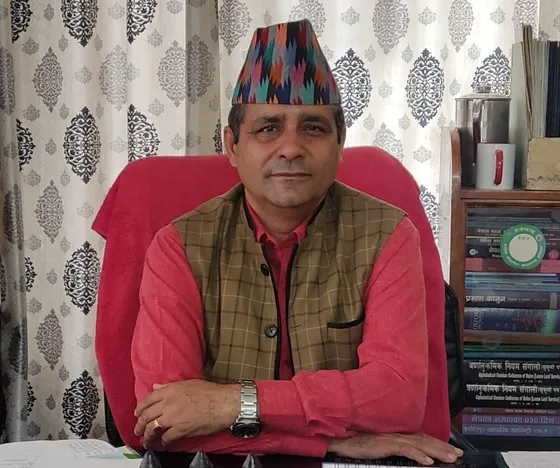
Our commitment is clear — to be a model of sustainable waste solutions in Nepal.
Even so, our determination is unshaken. We will overcome these challenges and deliver results, driven by our belief in a cleaner, healthier Nepal.
The questions our customers ask most often.
Our fee depends mainly on:
Collection can be delayed mainly by:
When there is a problem at the landfill site, our local station fills to capacity, and we can only collect waste again once the landfill problem is solved.
We don’t raise fees irregularly. Increases depend on two main factors:
Send us a message or call your nearest office. Our team will get back to you as soon as possible.